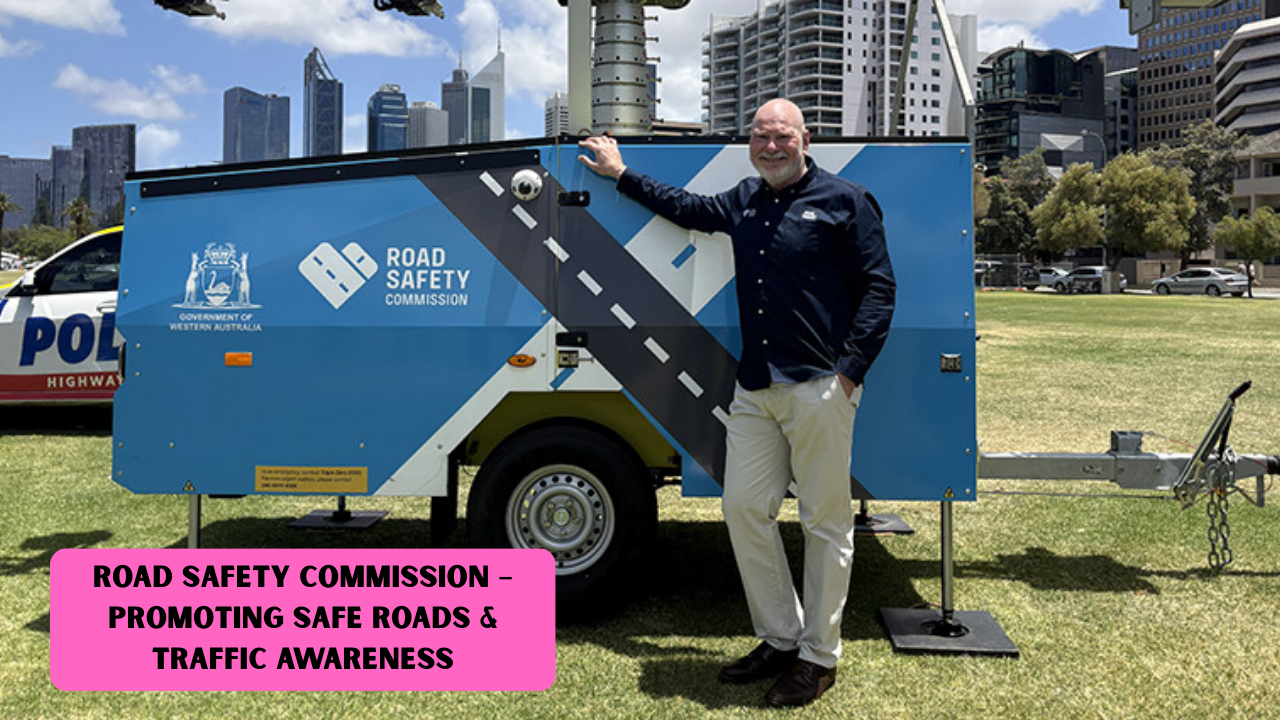
The Road Safety Commission stands as a cornerstone of modern infrastructure management, dedicated to the singular goal of reducing traffic-related fatalities and injuries. In an era where urbanization and vehicle density are reaching unprecedented levels, the commission’s role has evolved from simple oversight to a complex, data-driven mission. By integrating engineering solutions, rigorous policy advocacy, and public education, the commission works to transform hazardous transit environments into predictable, safe corridors. Their work isn’t just about managing cars; it’s about protecting lives—ensuring that every pedestrian, cyclist, and motorist reaches their destination without incident.1 Through strategic planning and international safety standards, the commission creates a framework where human error is minimized and road resilience is maximized.
Advanced Engineering and Infrastructure Innovation
One of the primary responsibilities of the Road Safety Commission is the implementation of “forgiving infrastructure.” This concept acknowledges that humans are prone to mistakes, and therefore, the physical environment must be designed to mitigate the consequences of those errors.2 This includes the installation of energy-absorbing guardrails, the improvement of road surface friction to prevent hydroplaning, and the strategic design of roundabouts to reduce high-speed T-bone collisions. By conducting regular road safety audits, the commission identifies “black spots”—locations with a high frequency of accidents—and deploys targeted interventions. Whether it is improving nighttime visibility through reflective signage or widening shoulders for emergency use, these engineering feats form the first line of defense in the battle against traffic violence.
Data-Driven Policy and Traffic Management
Effective road safety is rooted in the meticulous analysis of data.3 The commission utilizes sophisticated crash-reporting systems to track variables such as weather conditions, time of day, and driver demographics. This information allows for the creation of evidence-based policies, such as adjusting speed limits in residential zones or implementing stricter licensing requirements for novice drivers. By partnering with law enforcement, the commission ensures that traffic laws are not merely suggestions but enforceable standards that prioritize the collective good. From mandate-level decisions on seatbelt usage to the regulation of autonomous vehicle testing, the commission acts as a regulatory shepherd, guiding the automotive industry and the public toward a future of zero-casualty mobility.
The Role of Technological Integration
Technology has become an indispensable ally in the quest for safer roads.4 The Road Safety Commission increasingly leans on Intelligent Transport Systems (ITS) to monitor traffic in real-time. Smart sensors can detect congestion or accidents instantly, allowing for rapid emergency response and the redirection of traffic via digital signage to prevent secondary collisions.5 Furthermore, the commission promotes the adoption of Advanced Driver Assistance Systems (ADAS) in newer vehicles, such as automatic emergency braking and lane-departure warnings. By fostering a synergy between “smart” infrastructure and “smart” vehicles, the commission is laying the groundwork for an ecosystem where technology compensates for human distractions and physical limitations.
Comparative Analysis of Safety Interventions
The following table highlights the impact and focus of various safety measures typically overseen by the commission:
| Safety Measure | Primary Target | Expected Outcome | Implementation Level |
| Speed Calibration | High-speed corridors | Reduction in impact severity | Legislative/Engineering |
| Pedestrian Zones | Urban centers | Enhanced walker/cyclist safety | Urban Planning |
| Sobriety Checkpoints | Impaired drivers | Decrease in alcohol-related crashes | Law Enforcement |
| Tactile Paving | Visually impaired | Improved crossing accessibility | Infrastructure |
| Variable Message Signs | All motorists | Real-time hazard awareness | Digital Technology |
Behavioral Change and Public Awareness
At its heart, road safety is a behavioral challenge. The commission invests heavily in psychological outreach and educational campaigns aimed at shifting the cultural narrative around driving.6 These initiatives focus on the “Fatal Five”: speeding, drink driving, lack of seatbelts, fatigue, and distraction. Through school programs, social media campaigns, and community workshops, the commission fosters a sense of shared responsibility. The goal is to move away from the idea that accidents are “accidents”—unavoidable acts of fate—and toward the understanding that most crashes are preventable events resulting from specific choices. By educating the youth and retraining veteran drivers, the commission builds a more conscious and empathetic driving population.
Protecting Vulnerable Road Users (VRUs)
While motorists occupy much of the commission’s focus, a significant portion of their work is dedicated to Vulnerable Road Users (VRUs), including pedestrians, cyclists, and motorcyclists. These groups are disproportionately affected by traffic incidents due to their lack of physical protection. The Road Safety Commission advocates for “Vision Zero” principles, which prioritize the safety of the most vulnerable over the speed of motorized traffic. This includes the development of dedicated bike lanes, raised crosswalks, and “school zones” with significantly reduced speed limits. By creating a physical separation between heavy machinery and human beings, the commission ensures that the road remains a public utility accessible and safe for everyone, regardless of their mode of transport.
Global Collaboration and Future Horizons
Road safety is a global challenge that requires a unified response. The Road Safety Commission frequently collaborates with international bodies like the World Health Organization and the Global Road Safety Partnership to share best practices and research. This cross-border cooperation ensures that a safety innovation in one country can be adapted and implemented in another.7 Looking toward the future, the commission is preparing for the rise of electric and autonomous vehicles, which present both new opportunities and unique safety challenges. By staying ahead of the curve, the commission remains a dynamic and proactive force, constantly evolving its strategies to meet the demands of a changing world and ensuring that the roads of tomorrow are safer than those of today.

FAQs
Q1: What is the main goal of the Road Safety Commission?
The primary objective is to reduce the number of road-related deaths and serious injuries through a combination of engineering, education, and enforcement.8
Q2: How does the commission identify dangerous roads?
The commission uses data analytics and “black spot” reporting to identify areas with high accident rates, followed by on-site safety audits to determine necessary improvements.
Q3: How can the public contribute to road safety?
Individuals can contribute by adhering to traffic laws, avoiding distractions like mobile phones, and participating in local community safety programs or reporting road hazards.9
Disclaimer:
The content is intended for informational purposes only. You can check the official sources; our aim is to provide accurate information to all users.