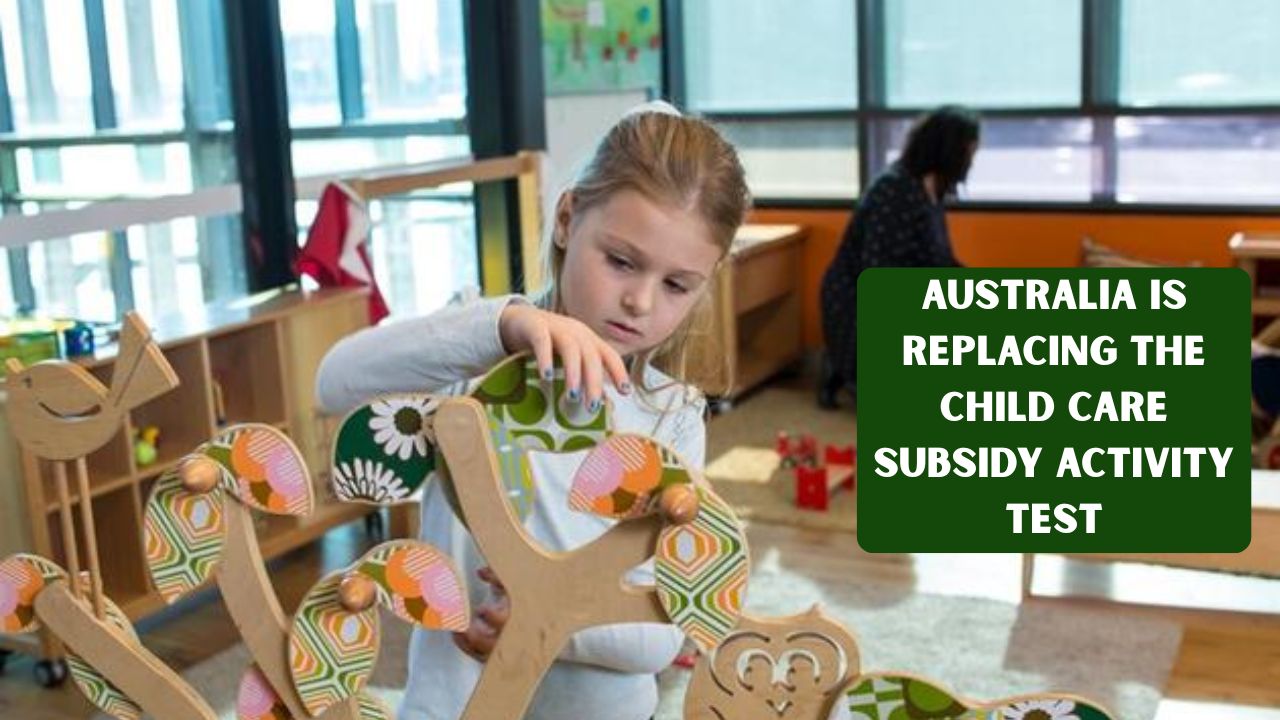
For years, many Australian families have found themselves navigating a complex “activity test” just to determine how much help they can get with the rising costs of early childhood education. This hurdle has often left lower-income households or those with irregular work patterns—such as freelancers and casual workers—struggling to access the care their children need. However, the landscape is shifting. The Australian Government has moved to replace the traditional Child Care Subsidy (CCS) activity test with a more inclusive “3-Day Guarantee.” This change marks a significant pivot toward a universal childcare system, acknowledging that early education is a fundamental right for a child’s development rather than a reward for a parent’s workforce participation.
Understanding the Move to the 3-Day Guarantee
The core of this reform is the introduction of a baseline entitlement. Starting from January 5, 2026, every family eligible for the Child Care Subsidy will be guaranteed at least 72 hours of subsidised care per fortnight, regardless of how many hours they spend working, studying, or volunteering. Currently, families with low activity levels might only qualify for 24 or 36 hours, or in some cases, nothing at all if their income exceeds certain thresholds. By establishing a 72-hour floor—equivalent to three days of care per week—the government aims to ensure that no child misses out on the social and cognitive benefits of early learning simply because their parents’ schedules don’t fit into a rigid bureaucratic box.
Why the Activity Test Is Being Replaced
The decision to scrap the activity test didn’t happen in a vacuum. Major inquiries by the Productivity Commission and the ACCC highlighted that the test acted as a significant barrier for the families who need support the most. Research consistently shows that children from disadvantaged backgrounds benefit the most from high-quality early childhood education, yet they were the ones most likely to be excluded by the old rules. By removing these barriers, the government expects to bring approximately 126,000 more children into the early learning system. This shift is designed to provide cost-of-living relief while also empowering parents—particularly mothers—to rejoin the workforce or increase their hours without the fear of losing their subsidy.
Key Changes for Different Family Types
While the 72-hour guarantee is the new standard, the reform goes further for specific groups. Families caring for First Nations children will now be entitled to 100 hours of subsidised care per fortnight, regardless of activity levels. This is a massive increase from the previous minimum of 36 hours and is a direct response to calls for better educational equity. For other families, the ability to access the maximum 100 hours still exists, but it will be reserved for those who meet higher activity requirements (generally over 48 hours of recognized activity per fortnight). Essentially, the “floor” has been raised for everyone, but the “ceiling” remains accessible for high-activity households.
Impact on Family Budgets in 2025 and 2026
While the major activity test changes kick in at the start of 2026, it is important to note that the subsidy rates themselves are also updated annually. As of July 2025, income thresholds and hourly rate caps have been indexed to keep up with inflation. The following table illustrates the current subsidy percentages based on family income, which will continue to apply under the new 3-Day Guarantee framework.
| Combined Family Income | CCS Subsidy Rate |
| Up to $85,279 | 90% |
| $85,280 to below $535,279 | 90% to 0% (decreases by 1% per $5,000) |
| $535,279 and above | 0% |
| Families with 2+ children (under 5) | Up to 95% for younger siblings |
Transitioning to the New System
The good news for busy parents is that the transition is designed to be seamless. If you are already receiving the Child Care Subsidy, you likely won’t need to do anything. Services Australia and Centrelink will automatically update entitlements based on the information they already have. Families who were previously limited to 24 or 36 hours will see their available hours jump to 72 automatically come January 2026. However, it remains vital for parents to keep their income estimates and personal details updated through MyGov to avoid any “reconciliation” debts at the end of the financial year.
Preparing for a Universal Future
This reform is being hailed as the “next step” toward a truly universal early education system in Australia. Beyond just the activity test, the government is investing over $400 million to ensure the system can handle the increased demand. For parents, this means more than just a lower bill; it means the peace of mind that their child can attend a quality center for three days a week even if their own work life is in flux. As we move toward 2026, the focus is clearly shifting from “childcare as a workforce support” to “early education as a developmental necessity.”

FAQs
Q1. When exactly do the new activity test rules start?
The new “3-Day Guarantee” (72 hours per fortnight) is scheduled to officially commence on January 5, 2026.
Q2. Do I need to apply again to get the 72 hours?
No. If you are already CCS-eligible, the increase to the 72-hour minimum will be applied automatically by Services Australia.
Q3. Can I still get 100 hours of subsidy?
Yes. Families who participate in more than 48 hours of recognized activity per fortnight, or those caring for First Nations children, remain eligible for the full 100 hours.
Disclaimer The content is intended for informational purposes only. you can check the officially sources our aim is to provide accurate information to all users