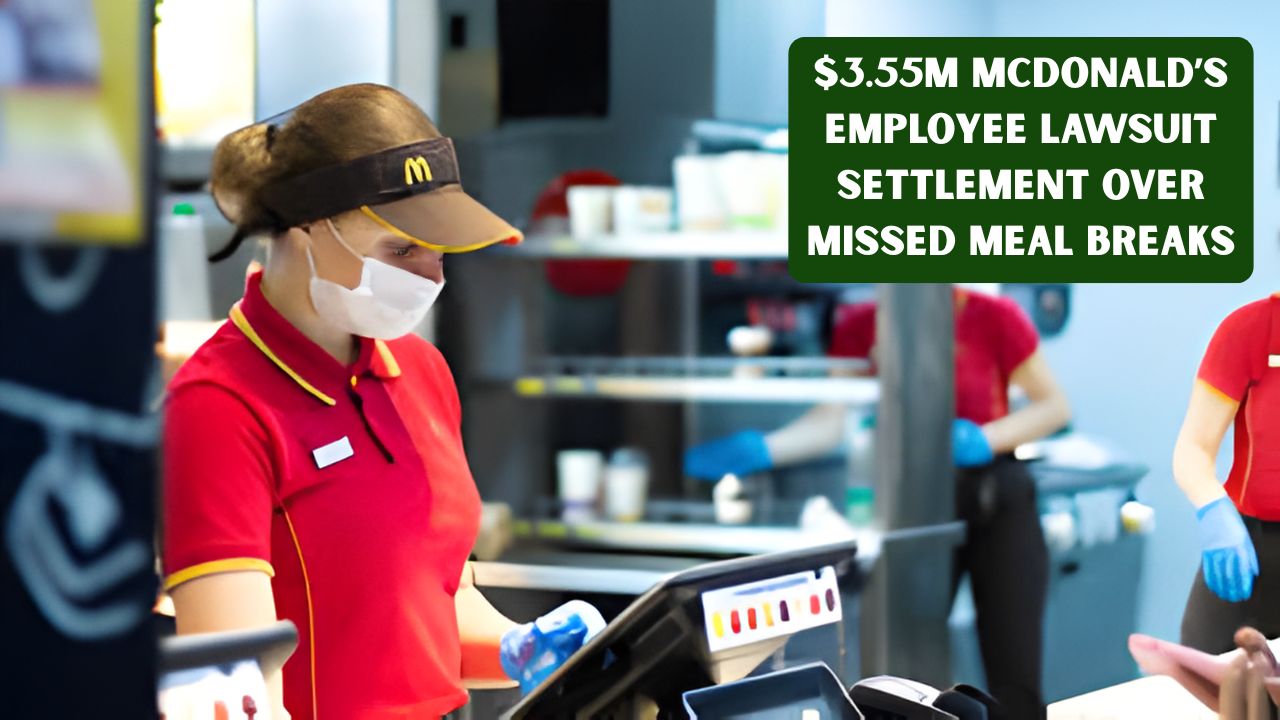
A significant legal milestone has been reached in the hospitality industry as a group of McDonald’s employees secured a $3.55 million settlement over systemic violations of labor laws.1 This case specifically focused on the denial of legally mandated meal breaks, a cornerstone of worker rights in many jurisdictions.2 For years, hourly workers at certain franchise locations alleged that they were forced to work through their rest periods or given significantly shorter breaks than the law requires.3 By settling this class-action lawsuit, the involved franchisees have avoided a lengthy trial while providing much-needed financial relief to hundreds of current and former staff members.4
The Core of the Meal Break Allegations
The lawsuit, primarily targeting specific franchisees such as UTB Enterprises and Goldenband LLC, claimed that the employer failed to provide a full 30-minute unpaid meal break for employees working shifts longer than six hours.5 Under strict labor regulations, especially in states like Oregon and California, these breaks must be uninterrupted and “duty-free.”6 Workers alleged that they were often called back to the counter or kitchen before their 30 minutes were up, or in some instances, denied the break entirely during peak rushes. Because these short breaks were not compensated as work time, the employees essentially provided free labor to the company.
Key Data: Settlement Breakdown and Eligibility
| Category | Detail |
| Total Settlement Amount | $3.55 Million |
| Maximum Individual Payout | Up to $872.49 |
| Minimum Individual Payout | Approximately $31.14 |
| Eligible Claim Period | March 8, 2014, to Present |
| Claim Submission Deadline | March 8, 2026 |
| Eligible Roles | Non-exempt hourly employees |
Legal Liability and Franchisee Responsibility
One of the most complex aspects of this $3.55 million settlement is the distinction between McDonald’s Corporation and its independent franchisees. While the global giant often distances itself from the day-to-day employment practices of individual stores, this case highlights how franchisees are held strictly liable for local wage and hour compliance. The plaintiffs successfully argued that the management at these specific locations created a culture where operational speed was prioritized over statutory rest periods. Although the defendants have not admitted to any wrongdoing, the scale of the settlement suggests a significant recognition of the potential for a “guilty” verdict had the case proceeded to a full trial.
Impact on Hourly Workers and Payouts
The settlement is designed to compensate workers based on their length of service during the class period.7 Employees who worked more than 11 “eligible workweeks” are set to receive the highest tier of compensation, which can reach nearly $900.8 This money serves as a “premium” or penalty payment that the employer would have owed under labor laws for every day a break was missed. For many fast-food workers living paycheck to paycheck, these payouts represent a substantial recovery of lost wages and a formal acknowledgment of the physical and mental toll of working long shifts without adequate rest.
Broad Implications for the Fast-Food Industry
This legal outcome sends a clear message to the entire quick-service restaurant (QSR) industry: labor laws are not optional, even during the busiest “lunch rush.” Historically, the fast-food sector has faced scrutiny for “time-shaving” and break violations. This $3.55 million settlement acts as a deterrent, encouraging other franchise owners to audit their time-keeping software and management training protocols. It emphasizes that failing to record a 30-minute break accurately can result in millions of dollars in legal fees and penalties years down the line.
How Eligible Employees Can Claim Their Share
To benefit from this settlement, eligible individuals must take proactive steps. The court-appointed claims administrator has set a deadline of March 8, 2026, for submitting valid claim forms.9 Documentation proving employment at the specific franchise locations during the relevant years is typically required. Because many fast-food workers move between jobs frequently, the legal teams are making significant efforts to track down former employees who may have moved or changed contact information since 2014. The process is a reminder for all workers to keep personal records of their pay stubs and hours worked.
Future of Labor Compliance at McDonald’s
Moving forward, the involved franchisees have agreed to implement better time-tracking measures to ensure future compliance. This often involves upgrading digital “clock-in” systems that prevent managers from overriding break times or that automatically flag when an employee has not been given their 30-minute window. While the $3.55 million settlement closes this specific chapter, the ongoing tension between labor costs and worker rights continues to be a focal point for labor unions and advocacy groups fighting for better conditions under the “Golden Arches.”

FAQs
Q1 Who is eligible for the McDonald’s $3.55M settlement?
Hourly employees who worked at franchise locations operated by UTB Enterprises or Goldenband LLC (and associated owners) since March 8, 2014, and missed full meal breaks may be eligible.10
Q2 Do I need to still be working at McDonald’s to qualify?
No. Both current and former employees who worked during the eligible period can file a claim for compensation.11
Q3 What is the deadline to file a claim for this lawsuit?
Eligible class members must submit their claim forms by March 8, 2026, to receive a portion of the settlement funds.12
Disclaimer The content is intended for informational purposes only. you can check the officially sources our aim is to provide accurate information to all users