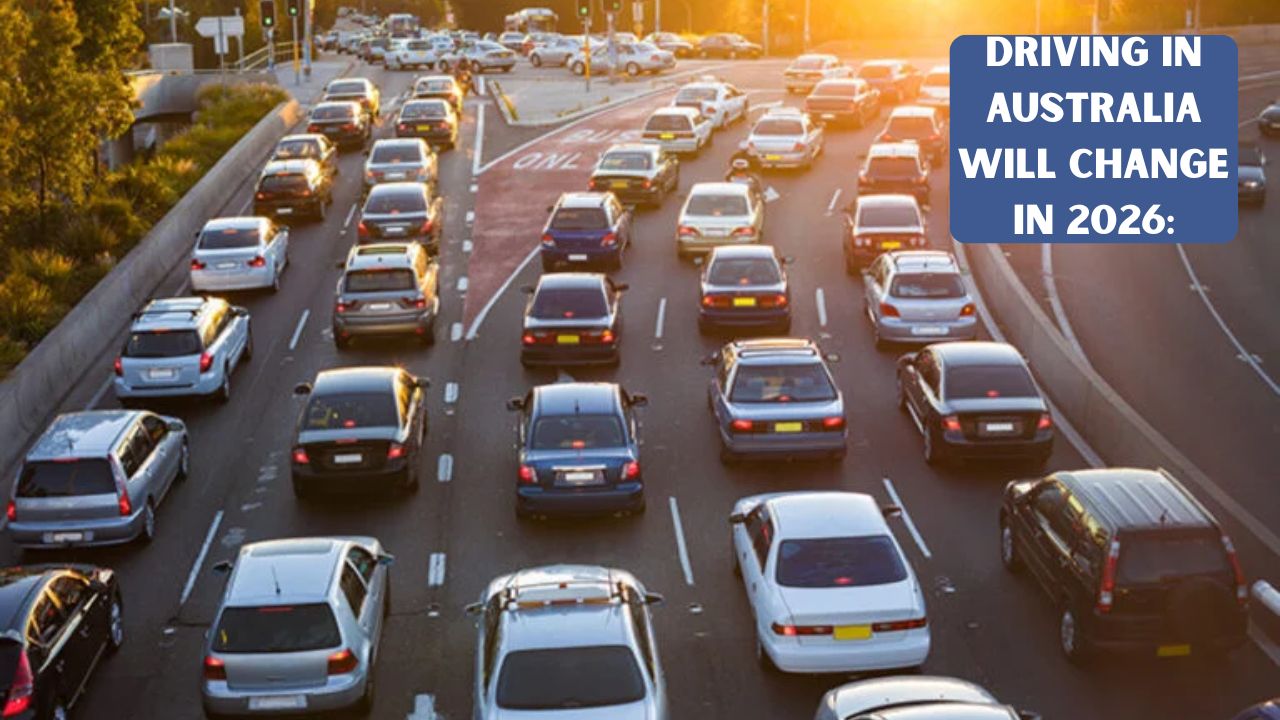
As we move into 2026, the Australian landscape for motorists is undergoing a significant transformation. Driven by the National Road Safety Strategy, state and territory governments are implementing a suite of new regulations designed to achieve “Towards Zero” fatalities. These changes aren’t just minor tweaks; they represent a fundamental shift in how compliance is monitored and how drivers are expected to interact with vulnerable road users. Whether you are a daily commuter in Sydney or a long-haul traveler in Western Australia, staying updated on these 2026 mandates is essential to avoid “brutal” new fines and protect your demerit point balance.
AI-Powered Enforcement and Seatbelt Compliance
One of the most visible shifts in 2026 is the nationwide expansion of AI-driven camera technology. While mobile phone detection cameras have been active for some time, 2026 marks the year they become multi-functional across almost all jurisdictions. These advanced systems now use high-definition imaging and artificial intelligence to detect seatbelt offenses—including passengers wearing belts incorrectly under the arm or behind the back. In the Australian Capital Territory and New South Wales, these cameras are already generating significant revenue from fines, with other states following suit to eliminate the “short trip” excuse that often leads to preventable trauma.
The Rise of Average Speed Cameras for All Vehicles
Historically, average speed (point-to-point) cameras in Australia primarily targeted heavy vehicles. However, starting in 2026, New South Wales and other regions are fully integrating light vehicles into this enforcement net. Instead of slowing down just for a visible camera and speeding up afterward, your speed will be calculated over a long stretch of highway. If your average pace exceeds the limit, a fine is automatically triggered. This change aims to curb “intermittent speeding” on major corridors like the Pacific and Hume Highways, ensuring a consistent and safer traffic flow for everyone.
New Protections for Roadside Workers
Safety for those working on the edge of the road has become a top priority in 2026. Updated rules now require motorists to slow down to 40 km/h (or 25 km/h in South Australia) when passing stationary roadside assistance vehicles, tow trucks, and emergency vehicles with flashing lights. This “Slow Down, Move Over” mandate has been expanded to include private breakdown services and even garbage trucks in some council areas. Failing to adhere to these reduced limits can result in heavy financial penalties, as authorities move to protect workers who are often vulnerable to high-speed passing traffic.
Stricter Licensing and Medical Checks for Seniors
The 2026 regulatory framework introduces a more rigorous national standard for older drivers. While rules previously varied significantly by state, a unified approach now requires drivers aged 75 and over to undergo more frequent medical assessments to retain their licenses. In Western Australia and the Northern Territory, the transition to mandatory, non-automatic renewals is completing its rollout. This isn’t about removing drivers from the road, but rather ensuring that vision, reaction times, and cognitive health meet the requirements for safe operation in increasingly complex urban environments.
Major Penalties and Offence Data Table
To act as a stronger deterrent, the cost of common traffic infringements has seen a sharp increase. Below is a summary of the expected maximum penalties for key offenses under the 2026 framework:
| Offence Type | Maximum Fine (Approx. AUD) | Demerit Points | Key Change in 2026 |
| Illegal Mobile Phone Use | $1,200 | 4–5 Points | Expanded AI camera detection |
| Seatbelt Misuse (Driver/Pass) | $500 – $1,100 | 3 Points | Detection via traffic cameras |
| Speeding in School Zones | $1,100 | 5 Points | 30 km/h limits in some zones |
| Passing Roadside Assistance | $960 | Varies | Slow down to 40 km/h (or 25 km/h) |
| Running a Red Light | $900 | 3 Points | Increased red-light camera tech |
Urban Speed Reductions and 30 km/h Zones
Motorists will notice a “slowing down” of Australian cities in 2026. Following global safety trends, many high-pedestrian areas and school zones are transitioning from 40 km/h to 30 km/h. Queensland and Victoria have been particularly active in this space, identifying busy “activity centres” where lower speeds drastically improve the survival rate of pedestrians in the event of a collision. While some drivers find these limits frustrating, the 2026 strategy prioritizes the “Safe Systems” approach, where road design and speed limits work together to minimize human error.
Electric Vehicle Road Taxes and Regulations
2026 is a pivotal year for Electric Vehicle (EV) owners as well. As the fleet grows, several states are moving away from early-adopter incentives toward “road user charges.” These mileage-based taxes are designed to replace the lost revenue from fuel excise, which petrol and diesel drivers pay at the pump. Additionally, new safety standards for EV charging in public spaces and specific parking regulations for “charging-only” bays are being strictly enforced to prevent internal combustion engine (ICE) vehicles from blocking essential infrastructure.

FAQs
Q1 Are the new 2026 road rules the same in every state?
While the Australian Road Rules serve as a national model, each state and territory (like NSW or WA) has the power to implement specific variations and fine amounts. Always check your local transport authority website for the exact regulations in your area.
Q2 How do the AI cameras detect if I’m wearing a seatbelt?
The cameras use high-speed infrared technology to look through windshields. They can detect if the belt is buckled, if it is tucked under your arm, or if it is being obscured by clothing, and they operate both day and night.
Q3 What happens if I forget to slow down for a tow truck?
Under the new 2026 mandates, passing a roadside assistance vehicle with flashing lights at full speed is a major offense. Depending on the state, you could face fines approaching $1,000, as this is now treated with the same severity as passing a police car or ambulance.
Disclaimer
The content is intended for informational purposes only. you can check the officially sources our aim is to provide accurate information to all users